
Rebuilding Roofs After Severe Weather Events
Storm Damage Repair in League City for hurricane wind damage, hail impact, and debris strikes
Gulf Coast storm systems bring high winds that tear shingles loose, hail that fractures surfaces, and flying debris that punctures roofing materials in concentrated areas. Cowen Construction, LLC. specializes in storm damage repair throughout League City and Friendswood when hurricanes or severe thunderstorms leave your roof compromised. This service addresses visible destruction and hidden damage that inspections reveal—loose flashing, cracked shingles still in place, and structural impact that won't become obvious until the next heavy rain.
Repair work begins with emergency tarping if the roof cannot shed water, followed by comprehensive damage assessment that separates storm impact from pre-existing wear. The crew removes damaged materials, replaces compromised sheathing where wind or debris caused structural harm, installs new underlayment, and rebuilds affected sections with materials that match your existing roof or upgrade the entire surface if damage is widespread enough to justify full replacement under insurance coverage.
Request a detailed estimate based on documented storm damage to establish repair scope and costs before filing your insurance claim.
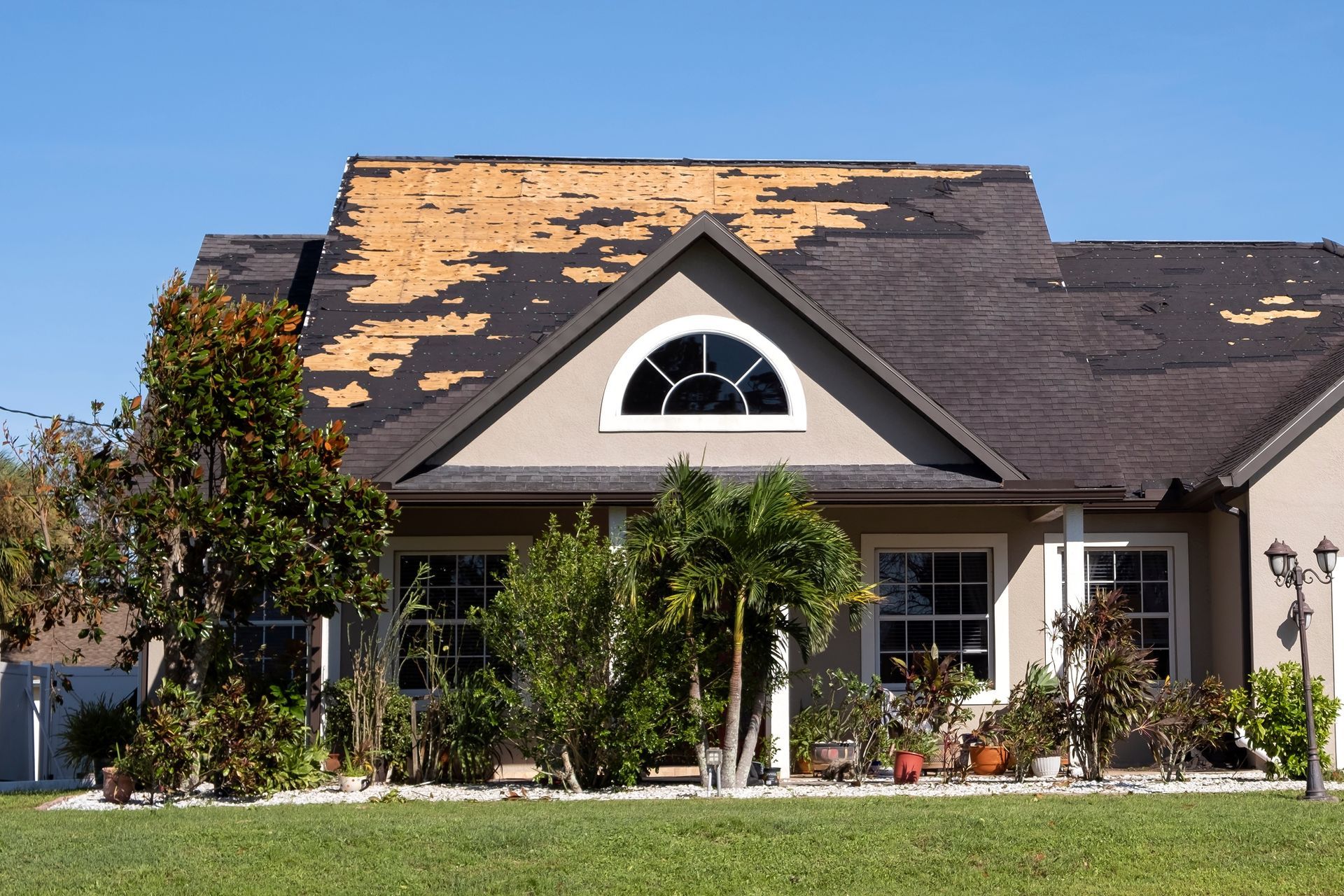
How Storm Repair Addresses Hurricane Damage
Storm damage often extends beyond what's visible from the ground—hail bruises shingles without immediately causing leaks, wind lifts edges that will fail during the next weather event, and debris impacts crack decking beneath intact shingles. The repair process documents every damaged component with photographs and measurements, creating the detailed record insurers require to process claims while ensuring nothing gets overlooked that could cause future leaks.
Completed repairs restore your roof's ability to shed water and resist wind uplift. You'll see new shingles properly sealed and nailed to manufacturer specifications, flashing that's mechanically fastened rather than relying solely on sealant, and valleys rebuilt with ice and water shield that prevents wind-driven rain from penetrating seams. The attic stays dry during subsequent storms, and your insurance claim closes with professional documentation of completed work.
The repair scope depends on storm severity and your roof's condition before the event—newer roofs with localized damage might need only partial replacement of one slope, while older roofs with widespread impact often qualify for full replacement when the adjuster determines that patchwork repairs won't restore the roof to its pre-storm condition. Material availability can affect timelines, since high demand after major storms sometimes delays delivery of specific shingle styles.
Answers to Frequent Service Questions
Storm damage repairs in Friendswood and League City require coordination with insurance adjusters, material matching decisions, and proper documentation to support claims and warranty coverage.
- What constitutes storm damage versus normal wear when the insurance adjuster evaluates your roof? Adjusters look for impact marks with sharp edges indicating hail strikes, shingle tears with fresh edges showing recent wind removal, and concentrated damage patterns consistent with debris impacts—gradual wear like granule loss or brittleness doesn't qualify as storm damage even if noticed after severe weather passes through.
- How quickly should repairs happen after hurricanes to prevent secondary damage? Emergency tarping should occur within days to stop active leaks, while permanent repairs need completion within weeks before mold establishes in damp sheathing—delayed repairs allow moisture to spread through decking and framing, expanding the scope of necessary work and potentially creating coverage disputes with insurers over what the storm caused versus what neglect allowed.
- Why do some storms cause hidden damage that doesn't leak immediately? Hail impacts bruise shingles by fracturing the fiberglass mat beneath granules without creating holes, shortening the remaining lifespan and making the roof vulnerable to blow-offs during future wind events—this damage appears as circular marks with compressed surfaces but won't leak until subsequent weather completes the failure.
- When does partial repair make sense versus replacing the entire roof after storm damage? Isolated damage on roofs with substantial remaining life gets repaired, but when storm impact affects more than thirty percent of the surface or your roof already approached replacement age, most adjusters approve full replacement as the most cost-effective long-term solution that avoids repeated claims for progressive failure.
- What documentation protects you if disputes arise with the insurance company? Detailed contractor estimates with line-item breakdowns, time-stamped photographs of all damage before any work begins, copies of the adjuster's initial report, and professional inspection findings create the evidence trail needed to challenge lowball settlements or denied coverage when legitimate storm damage exists.
Cowen Construction, LLC. manages storm damage repairs from initial assessment through final inspection, coordinating with insurance adjusters and providing the documentation required to support your claim. Schedule a property evaluation immediately after severe weather to document damage while the storm date is recent and before additional weather events complicate the cause determination.